Academic Collaboration
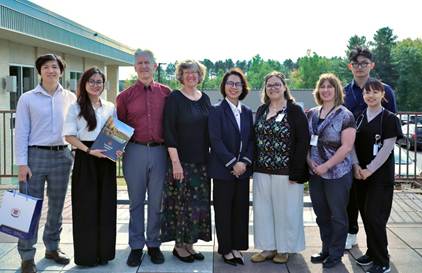
Academic collaboration at the University is structured around two main pillars: students and faculties, reflecting our commitment to internationalization in education, research, and academic exchange.
Student mobility is a key component of our academic collaboration, encompassing both outbound and inbound programs.
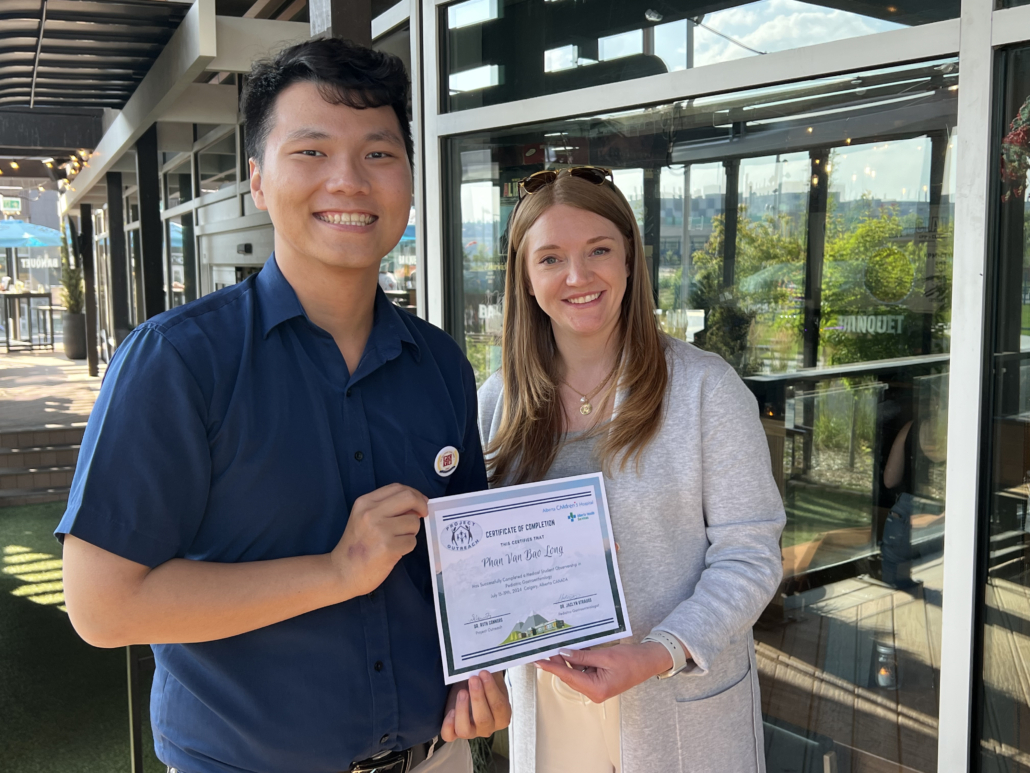
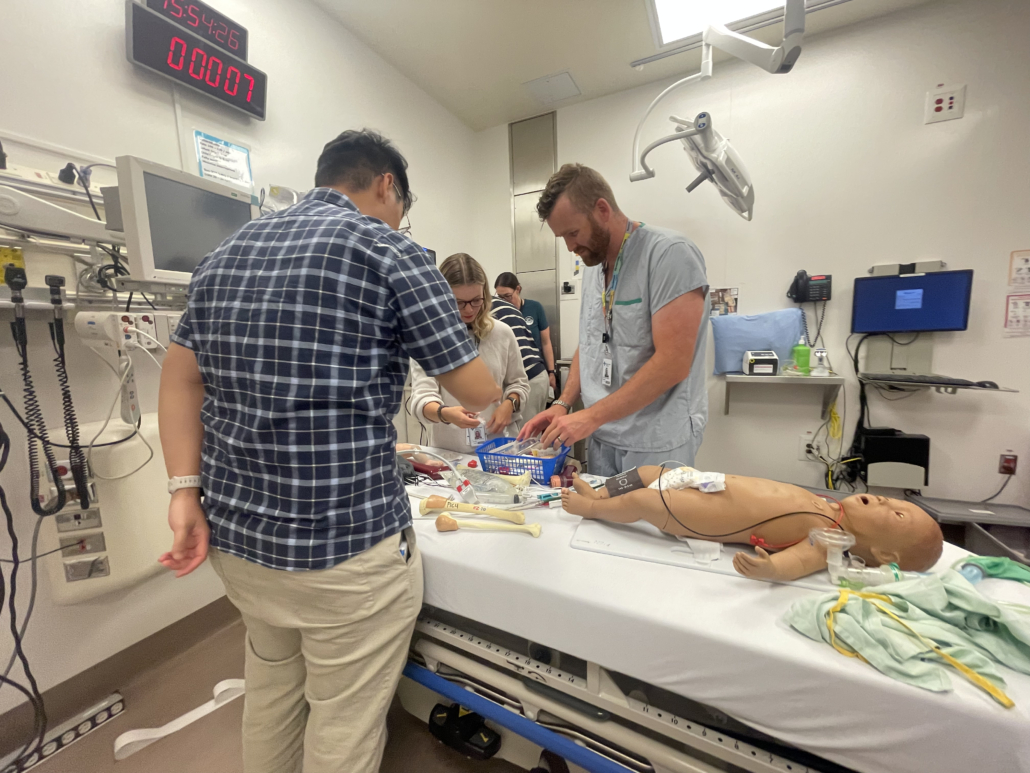
The Outbound Student Program enables our students to undertake internships and clinical placements at partner institutions abroad. Through these international experiences, students are exposed to diverse academic environments, healthcare systems, and professional practices, thereby broadening their global perspectives, enhancing practical skills, and strengthening their readiness for future careers in an increasingly interconnected world.
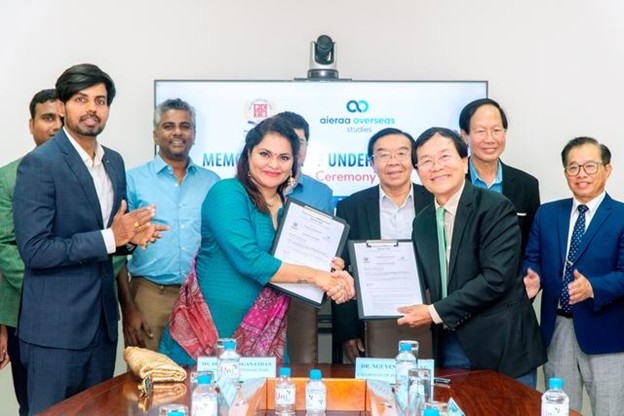
The Inbound Student Program, particularly the Student Elective Program, has shown steady growth since its launch in 2022. The number of incoming international students has increased consistently each year, reflecting the growing recognition of the University as a trusted academic destination. By 2026, the University has successfully hosted approximately 100 international students, transitioning from individual student registrations to institution-level partnerships. Notably, several partner universities now send students directly under formal agreements, with Bond University joining this collaboration from 2026 onward.
In parallel with student mobility, faculty collaboration plays a vital role in strengthening academic quality and research capacity. Faculty exchange activities are conducted through both inbound and outbound initiatives.
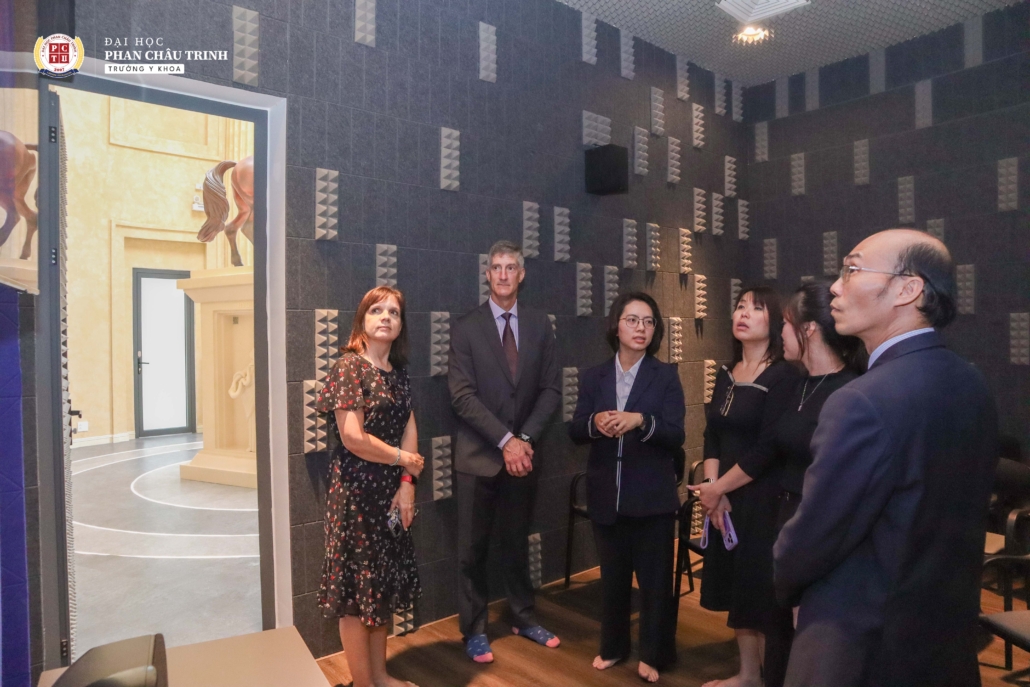
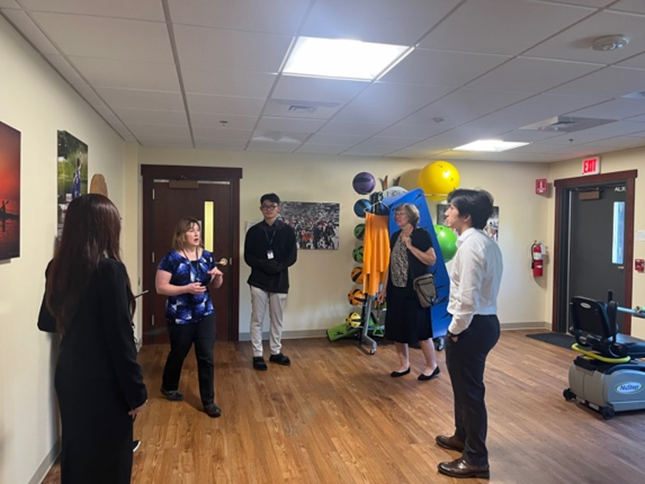
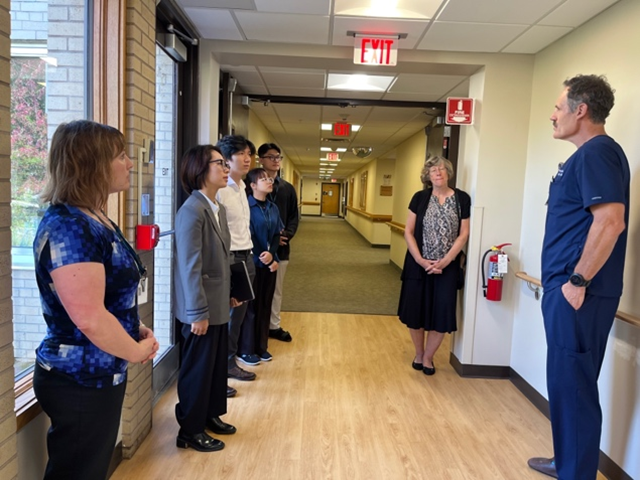
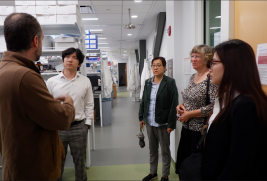
The Inbound Faculty Program welcomes visiting professors and academic staff from partner institutions in countries such as the United States, Canada, and Australia. These visiting faculty members engage in teaching, joint academic activities, and scholarly discussions, fostering knowledge exchange and contributing to curriculum development and pedagogical innovation.
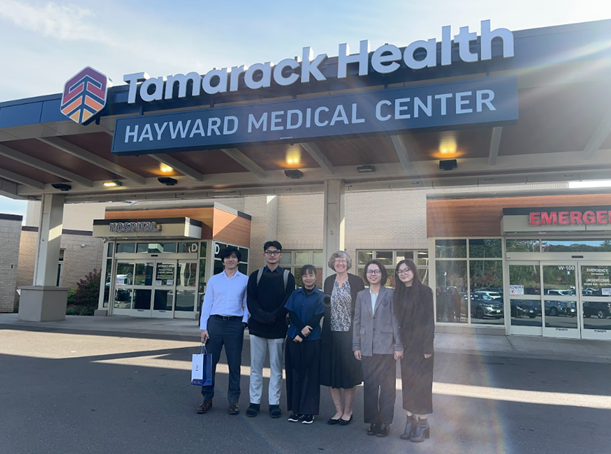
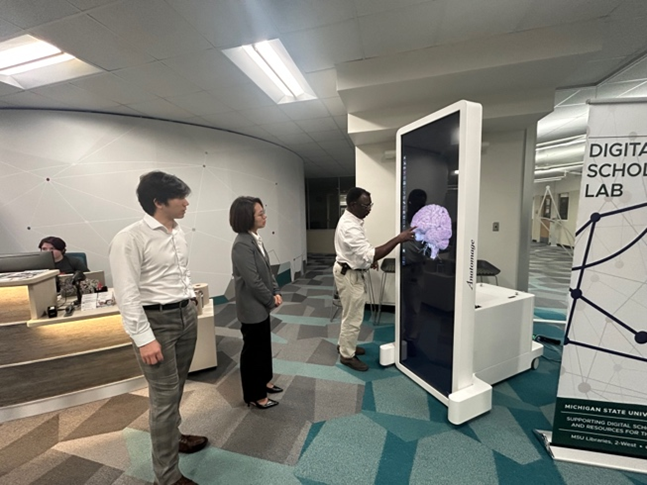
The Outbound Faculty Program provides opportunities for University faculty members to participate in academic exchanges abroad, including visits to institutions in Taipei and Australia. Through these engagements, faculty members present research findings, participate in academic forums, and collaborate with international scholars, thereby enhancing the University’s global academic presence and research networks.