Phan Chau Trinh University and Michigan State University: Strengthening Global Partnerships in Medical Education and Healthcare Innovation
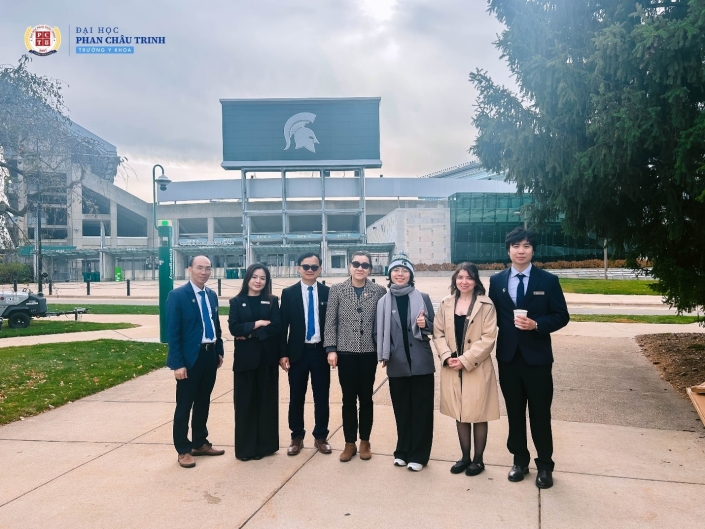
Representatives of Phan Chau Trinh University and Michigan State University during PCTU’s academic visit on October 29-30, 2026.
In a significant step toward strengthening international academic collaboration and advancing healthcare education, a delegation from Phan Chau Trinh University (PCTU), Vietnam, visited Michigan State University (MSU), United States, on October 29-30, 2026, to exchange knowledge and explore innovative approaches to medical and nursing education.
Building upon the academic relationship established in 2023 and the Memorandum of Understanding (MoU) signed in December 2025, the visit marked another meaningful milestone in the growing partnership between the two institutions. It also reflected PCTU’s long-term commitment to international engagement, educational excellence, and the continuous improvement of healthcare training in Vietnam.
More than an academic exchange, the visit brought together two institutions united by a shared belief: medical education should not only advance scientific knowledge and clinical competence but also cultivate compassionate healthcare professionals dedicated to improving human health and serving society.
Advancing Clinical Education Through Simulation and Experiential Learning
A key focus of the visit was exploring MSU’s experience in simulation-based medical and nursing education, particularly through its Learning and Assessment Center (LAC) and the Granger Simulation Lab at the College of Nursing.
During these visits, the PCTU delegation engaged with MSU experts to gain insights into the management and operation of clinical simulation facilities, quality assurance frameworks, standardized patient (SP) programs, technology-enhanced learning, and clinical competency assessment.
The discussions highlighted the important role of simulation in bridging theoretical knowledge and clinical practice. By creating realistic, structured, and safe learning environments, simulation-based education enables healthcare students to strengthen clinical reasoning, communication, teamwork, and decision-making skills before entering real patient care settings.
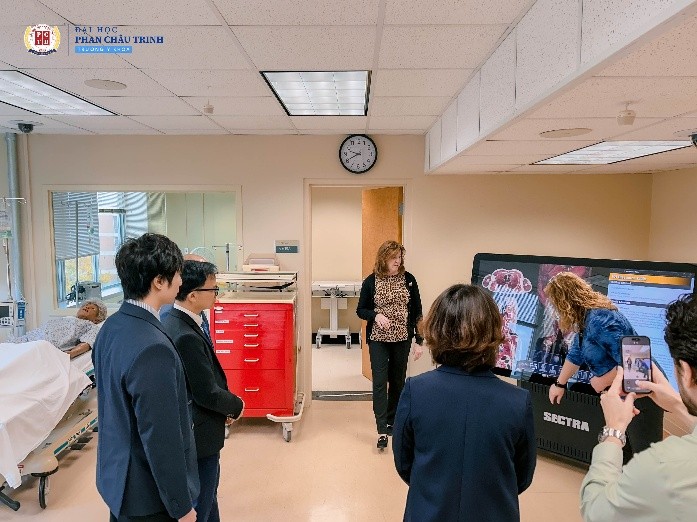
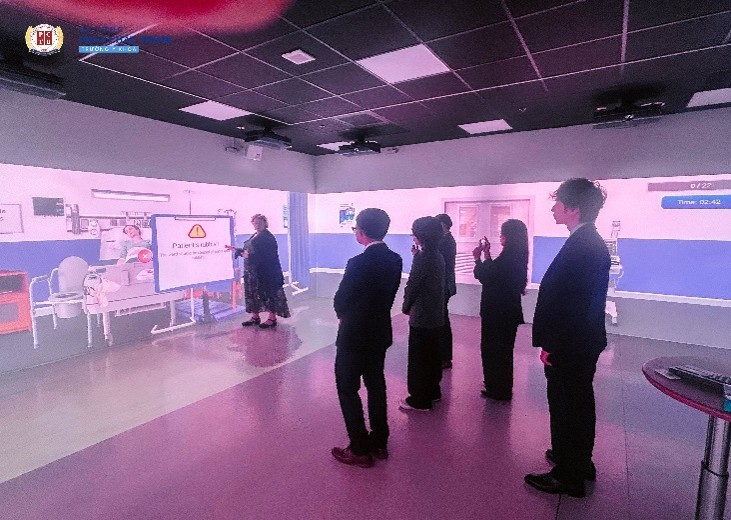
The PCTU delegation explores simulation-based teaching, standardized patient programs, and clinical skills assessment at MSU.
For PCTU, these exchanges offered valuable perspectives for the continued development of its Pre-Clinical Skills Simulation Hospital (PSSH), a key component of the University’s practice-oriented medical education ecosystem.
By integrating international experience with its own educational context, PCTU aims to further strengthen simulation-based training, enhance clinical skills assessment, and provide students with learning experiences that support patient safety, professional competence, and readiness for clinical practice.
Exploring Competency-Based Medical Education and Personalized Learning
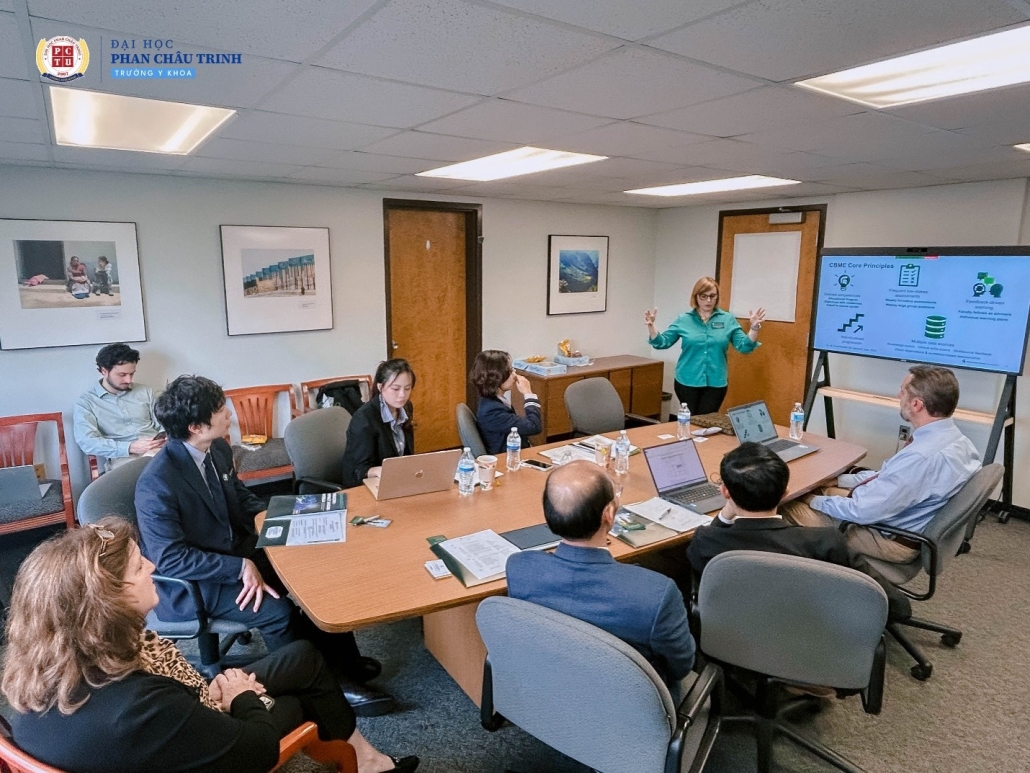
Another important highlight was the delegation’s academic exchange with the Office of Medical Education Research and Development (OMERAD) at Michigan State University.
Through discussions with Dr. Heather Laird-Fick and Dr. Robert Malinowski, the delegation gained insights into Competency-Based Medical Education (CBME) and MSU’s innovative Just in Time Medicine (JIT) approach.
The exchanges explored how digital learning platforms, real-time educational data, and individualized feedback can contribute to more effective and learner-centered medical education.
Rather than focusing solely on the completion of courses or prescribed learning hours, competency-based education emphasizes the progressive development and demonstration of the knowledge, clinical skills, professional attitudes, and abilities required for medical practice.
The JIT approach further illustrated how technology can support personalized learning pathways and provide educators with timely information to identify students’ learning needs, monitor progress, and deliver targeted feedback.
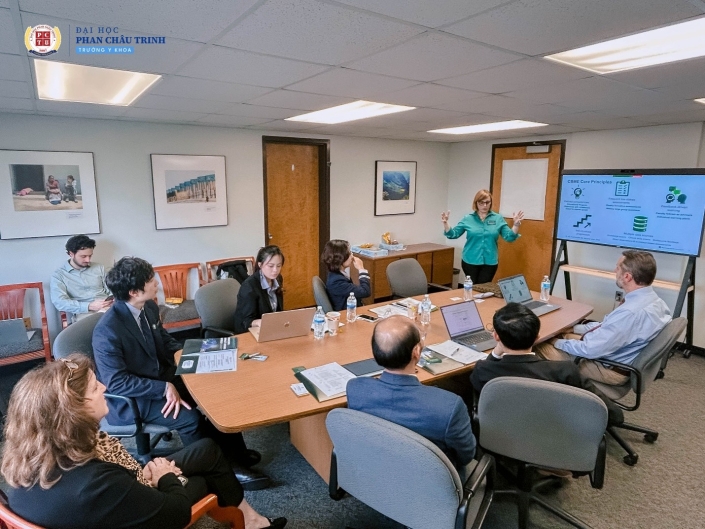
These insights are particularly relevant to PCTU’s ongoing efforts to develop a more integrated, outcome-oriented, and student-centered educational model.
By aligning curriculum development, teaching methodologies, and assessment practices with clearly defined competencies, PCTU seeks to prepare future healthcare professionals who are not only clinically capable but also adaptable, reflective, and committed to lifelong learning.
A Meaningful Symbol of Friendship and Shared Values: The Dean’s Challenge Coin 2026
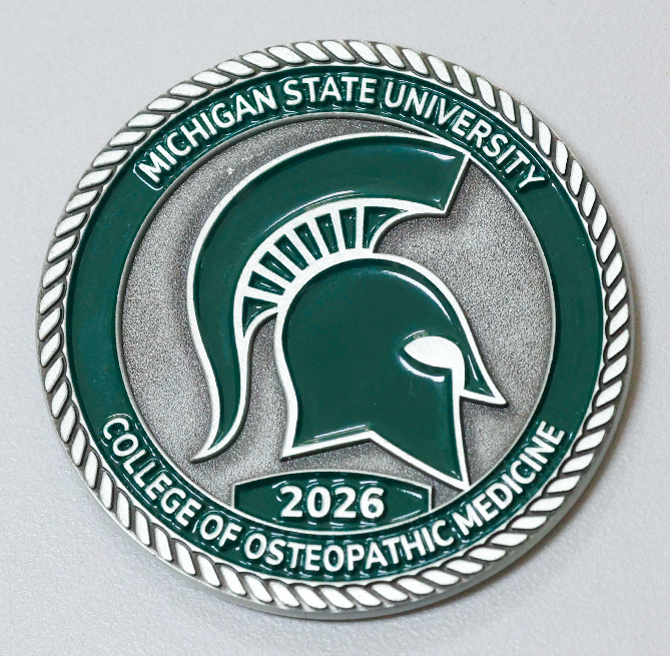
A highlight of PCTU’s visit to Michigan State University (MSU) on October 29, 2026, was the presentation of the Dean’s Challenge Coin 2026 to PCTU by Professor Joyce deJong, Dean of MSU College of Osteopathic Medicine (COM).
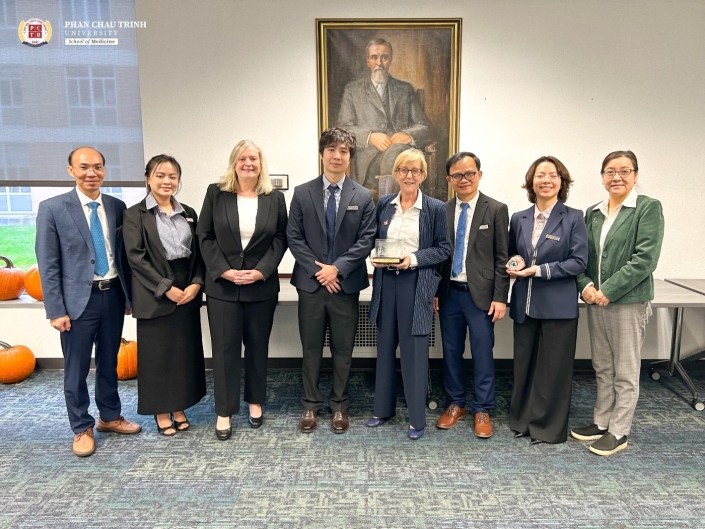
More than a commemorative gift, the coin represents a meaningful symbol of friendship, mutual respect, and recognition between the two institutions. It reflects their shared commitment to academic excellence, innovation, and advancing healthcare through education and research.
“Advancing Health. Serving Humanity.” – A Shared Mission
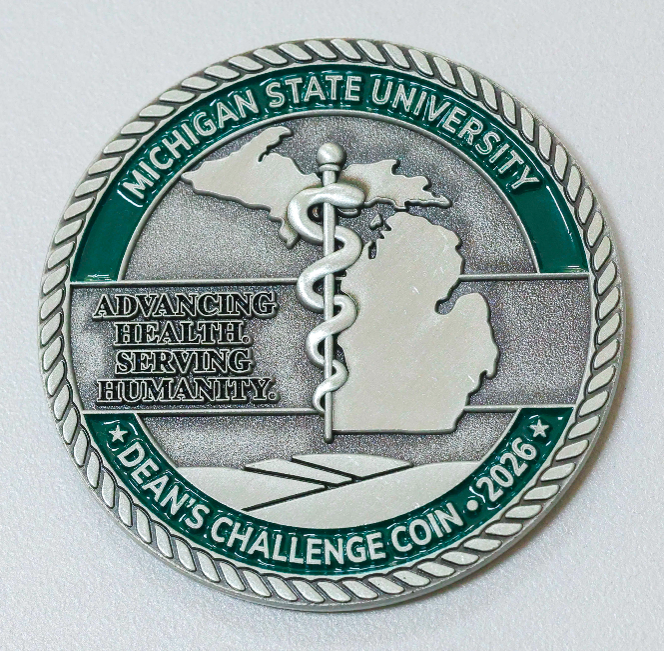
At the heart of the relationship between PCTU and MSU is a shared aspiration: Advancing Health. Serving Humanity. Both institutions recognize that the true value of medical education extends beyond academic achievement to improving healthcare quality, advancing scientific knowledge, and making a meaningful difference in the communities they serve.
Building on their academic relationship established in 2023 and the Memorandum of Understanding signed in December 2025, the October 2026 visit marked another important step in strengthening institutional ties.
Through exchanges with MSU’s academic leadership and faculty, PCTU explored opportunities for closer collaboration in medical education, simulation-based learning, faculty development, student mobility, and joint research.
For PCTU, international partnerships are essential to connecting global expertise with local healthcare needs and translating academic innovation into better educational outcomes and community health.
PCTU sincerely appreciates Professor Joyce deJong, MSU’s leadership, and colleagues at the Learning and Assessment Center, Granger Simulation Lab, and OMERAD for their warm hospitality and generous knowledge-sharing.
The Dean’s Challenge Coin serves as a lasting reminder of the friendship and shared values between the two universities. More importantly, it symbolizes a relationship with strong potential for deeper collaboration in the years ahead, working together to advance the quality of medical education and contribute to healthier communities.
Guided by the shared spirit of “Advancing Health. Serving Humanity.”, PCTU looks forward to building an enduring partnership with Michigan State University and creating meaningful impact through education, research, and healthcare collaboration.