Michigan State University Expert Delivers Seminars on Simulation-Based Education and Accreditation
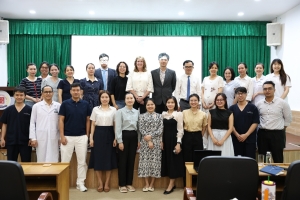
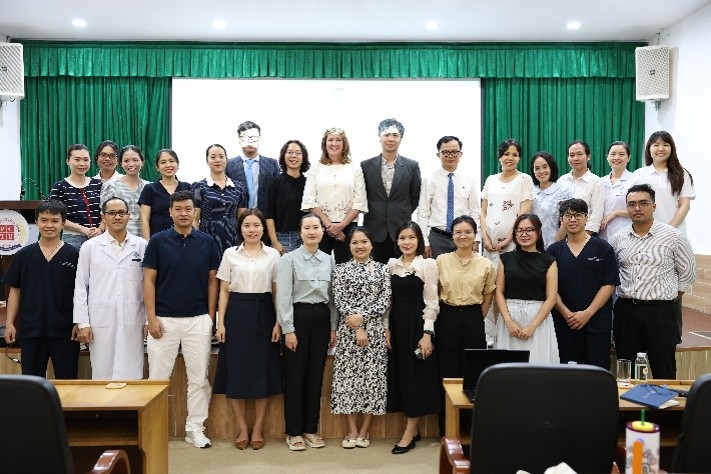
On July 15–16, 2026, Phan Chau Trinh University (PCTU) hosted two academic seminars led by Associate Professor Dr. Mary Kay Smith, Executive Director of the Learning Assessment Center, Michigan State University (USA). The events brought together representatives from the Simulation Hospital, Academic Management Office, Global Engagement Division, and faculty members across the University.
Integrating Simulation into Competency-Based Medical Education
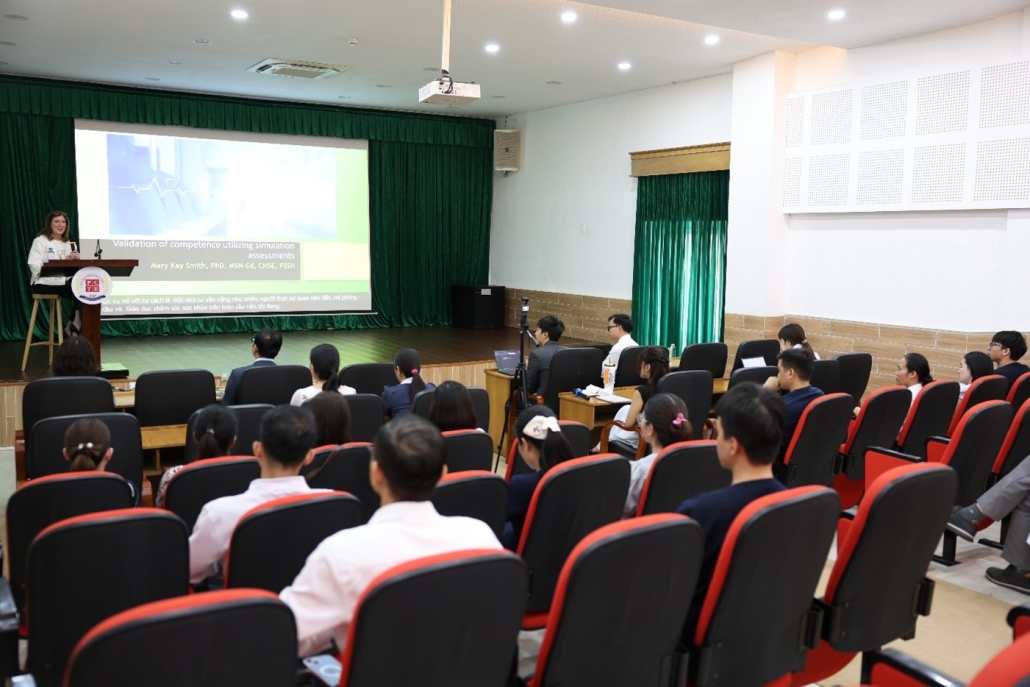
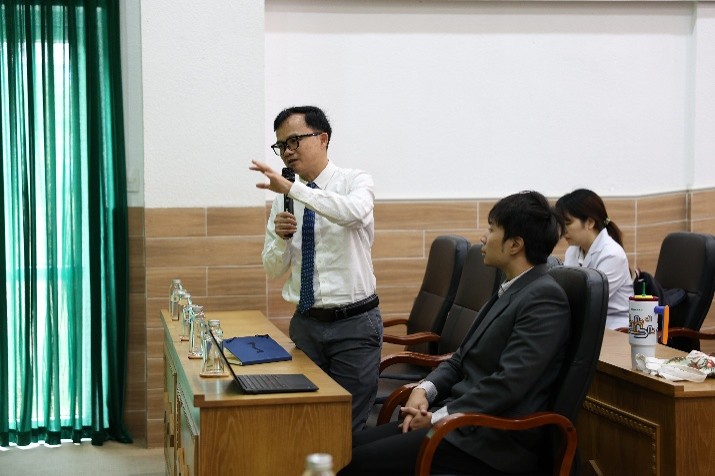
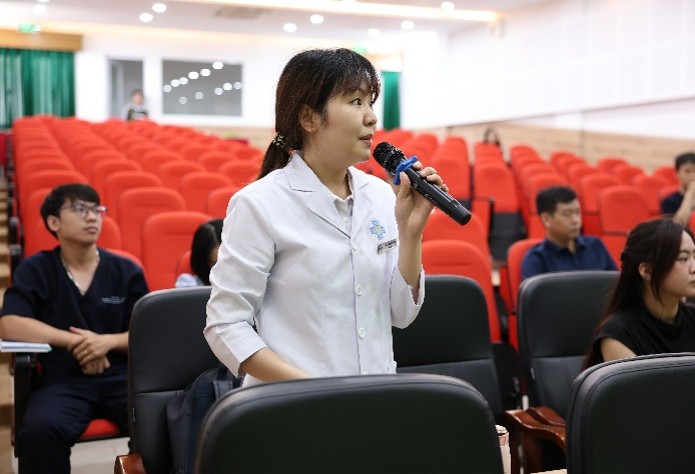
During the first seminar, entitled “Integrating Simulation into Competency-Based Medical Education,” Dr. Mary Kay Smith discussed the role of simulation as an important bridge between theoretical knowledge, practical skills training, and real-world patient care.
The first seminar explored the integration of simulation into competency-based medical education (CBME). Dr. Smith emphasized that simulation should be embedded throughout the curriculum rather than treated as a standalone activity, enabling students to develop and demonstrate clinical competence in a safe learning environment before performing procedures on patients.
She highlighted simulation as a reliable platform for competency assessment, allowing standardized evaluation across learners regardless of variations in clinical settings. Key recommendations included developing structured assessment rubrics, training assessors, and improving inter-rater reliability to ensure consistent evaluation of student performance.
The seminar also examined milestone-based competency assessments and discussed educational strategies applicable across medicine, nursing, and dentistry, including case-based learning, peer feedback, open laboratory sessions, and the integration of digital technologies such as artificial intelligence, virtual reality, and 3D printing into simulation-based education.
Dr. Smith further emphasized selecting simulation fidelity according to learning objectives to optimize educational effectiveness and resource utilization. She also underscored the important role of dedicated simulation technicians in supporting scenario development, equipment management, and quality assurance.
International Standards for Simulation Center Accreditation
The second seminar introduced international accreditation standards for healthcare simulation programs and centers. Dr. Smith outlined key requirements related to governance, mission, personnel, ethics, confidentiality, and continuous quality improvement as essential components of a sustainable simulation program.
She stressed that simulation curricula should be designed around learner needs and intended learning outcomes, supported by systematic implementation and regular evaluation. Participants were also introduced to accreditation standards covering competency assessment, research, systems integration, advanced simulation, and standardized patients.
The seminar highlighted the broader responsibility of simulation centers in promoting patient safety, psychological safety, professional ethics, and learner well-being. Practical discussions on institutional self-assessment, evidence collection, and continuous quality improvement provided valuable references for the ongoing development of PCTU’s Simulation Hospital.
Strengthening International Collaboration
The seminars provided faculty members and academic leaders with direct engagement with an internationally recognized expert in competency-based education, learner assessment, and simulation quality management. They also offered practical insights to support curriculum enhancement, standardized assessment, faculty development, and progressive alignment with international standards.
Dr. Mary Kay Smith’s visit reflects Phan Chau Trinh University’s continued commitment to international collaboration and educational excellence through partnerships with leading global institutions in health professions education.